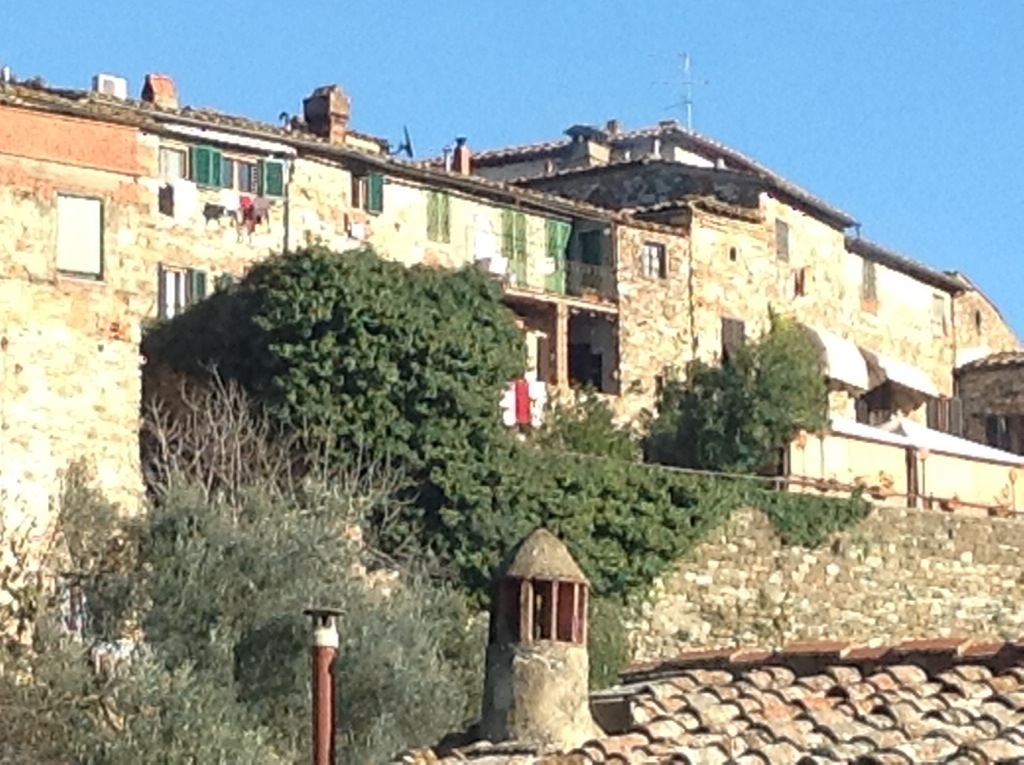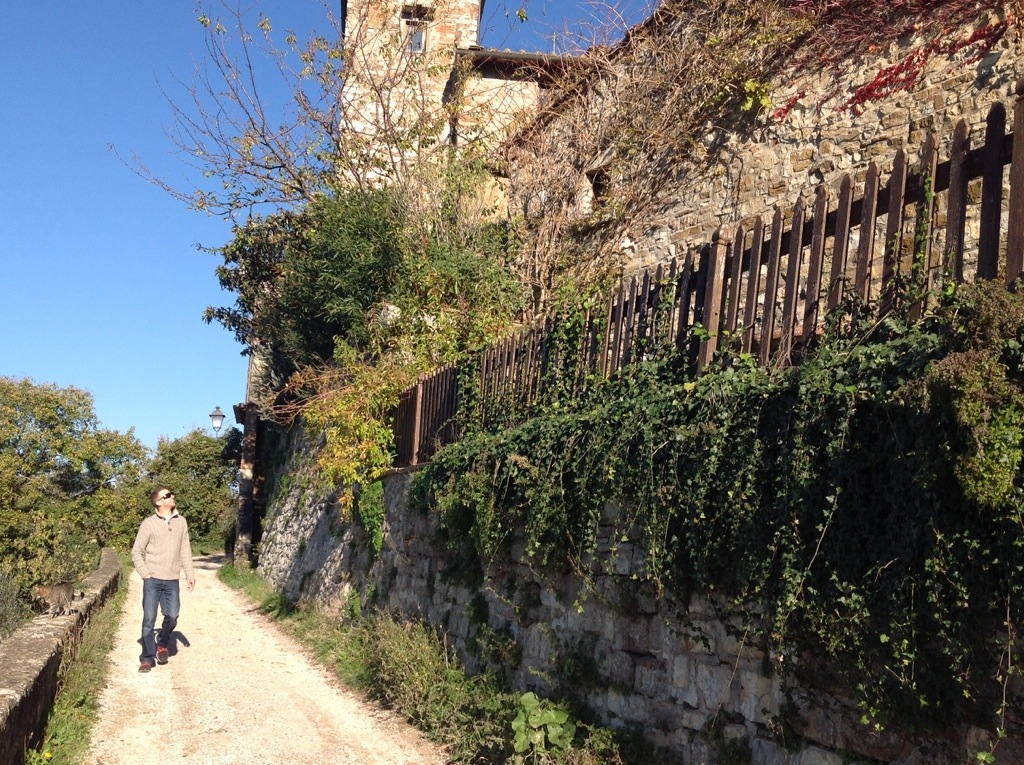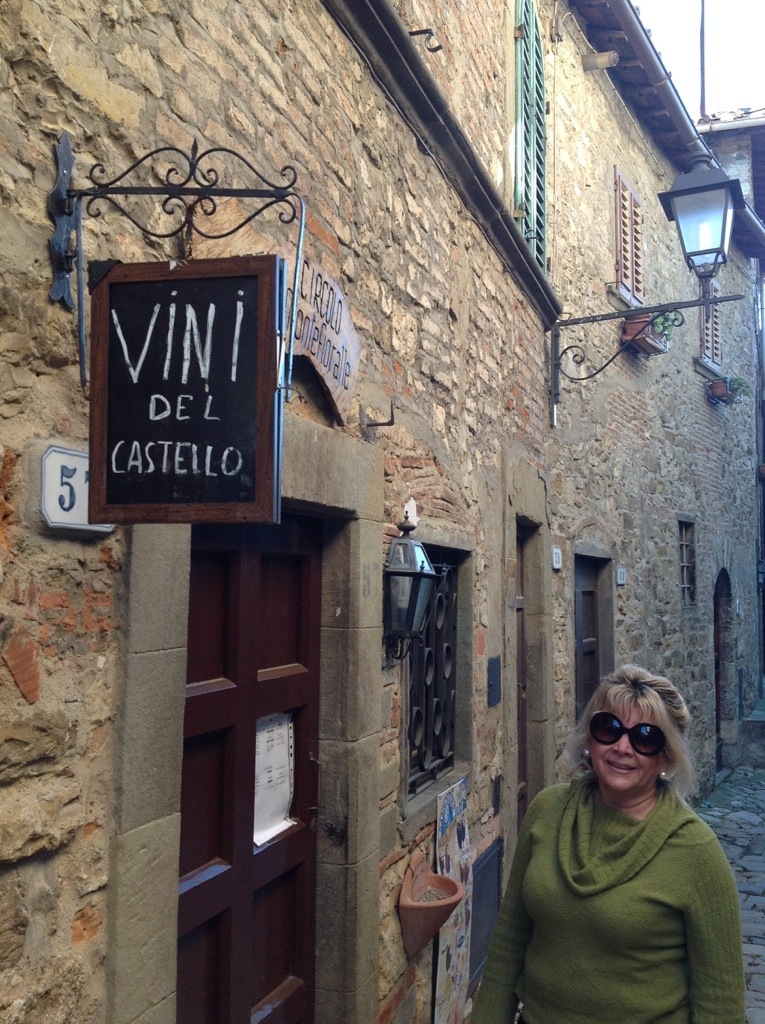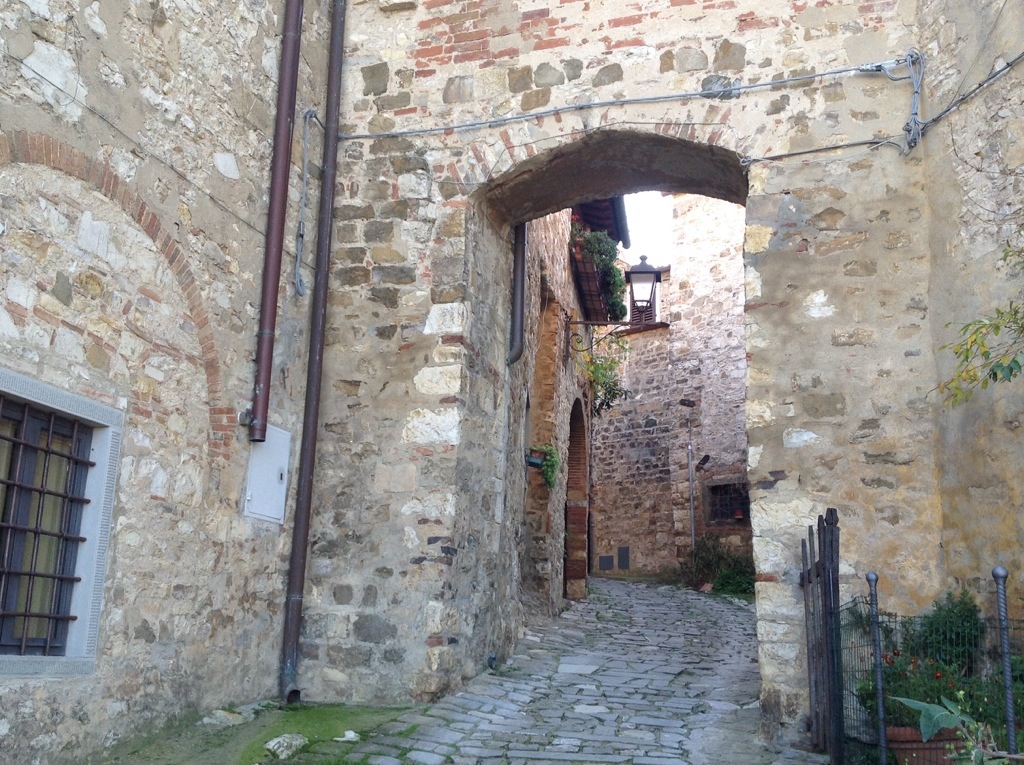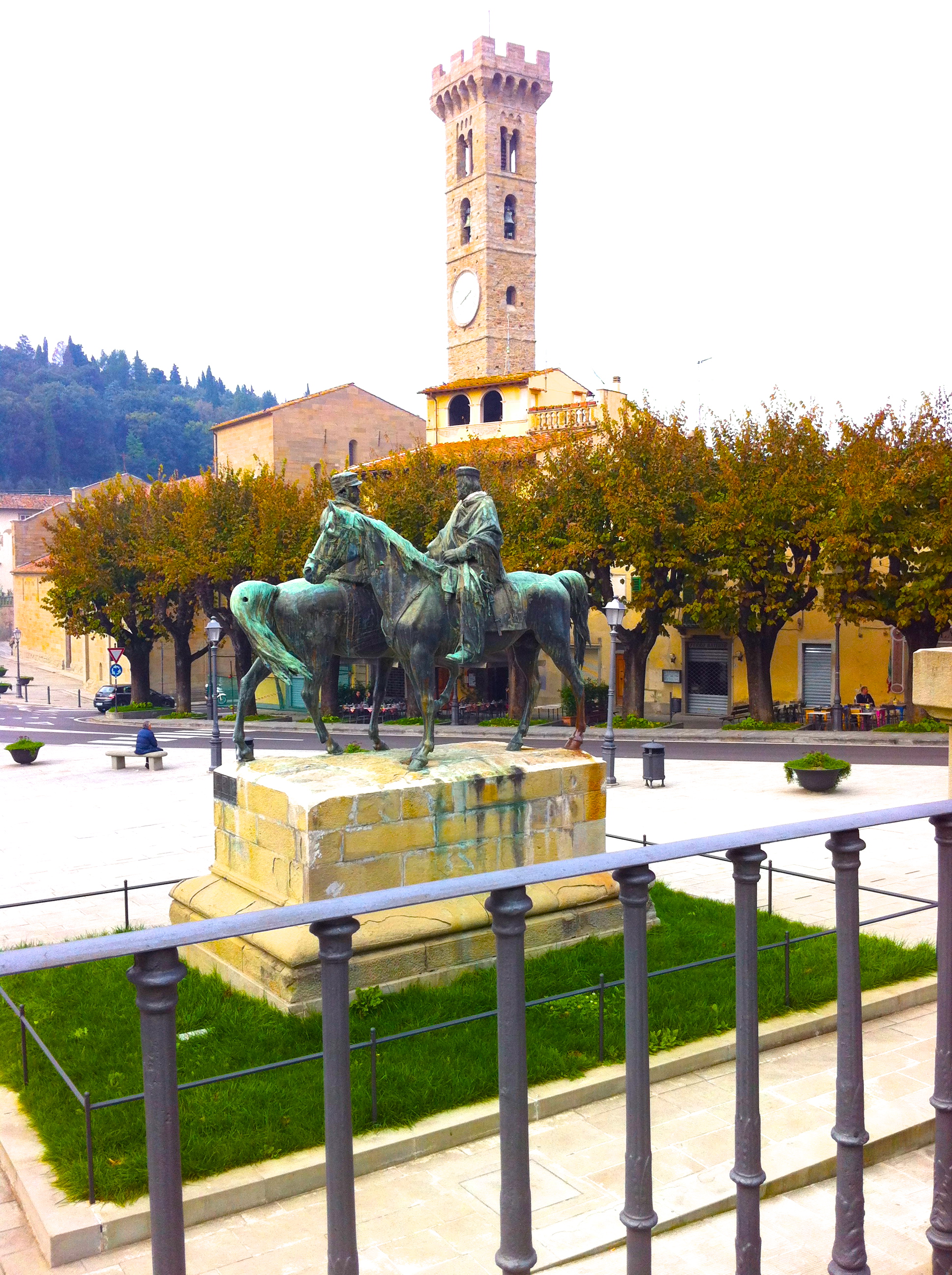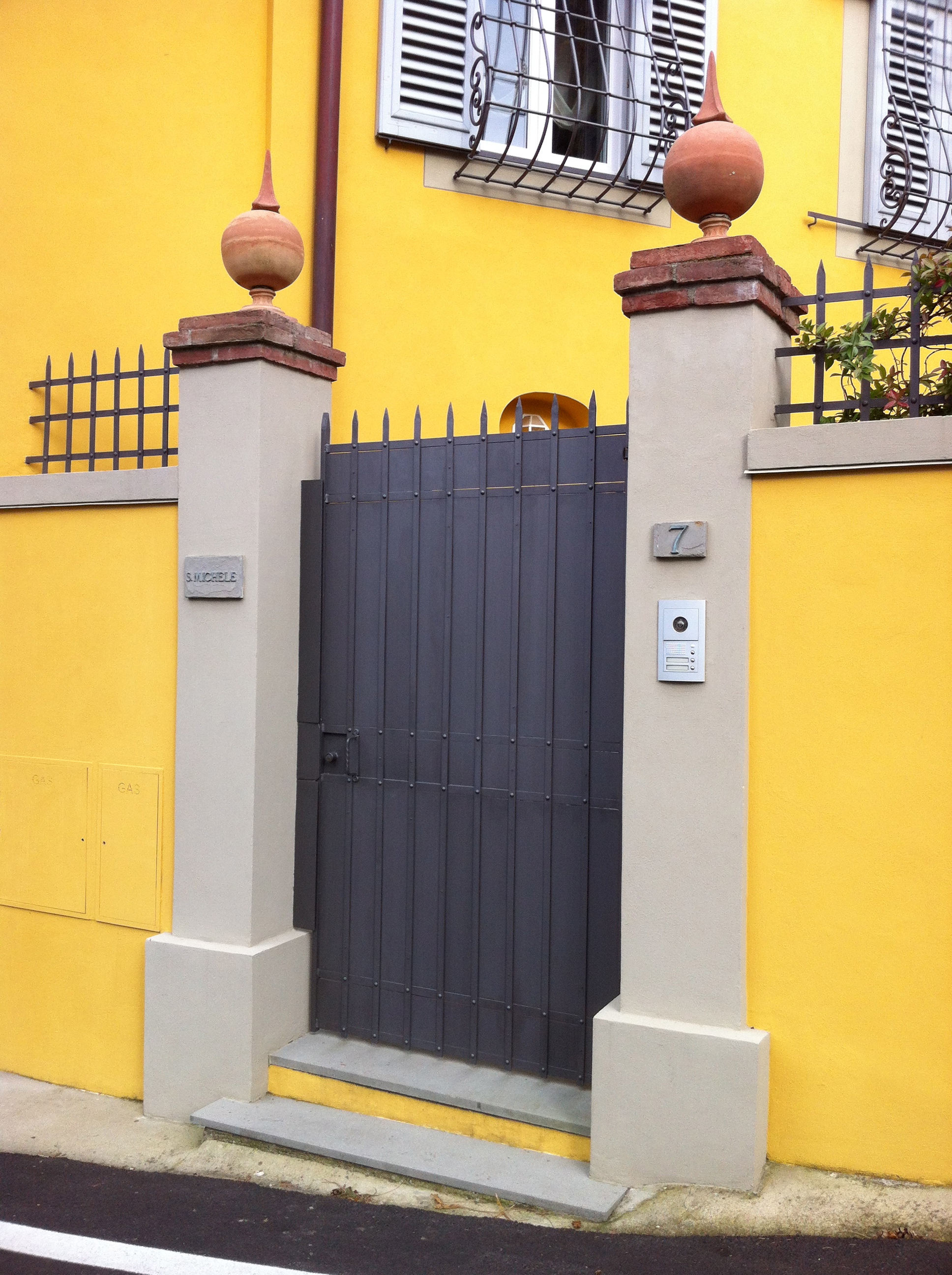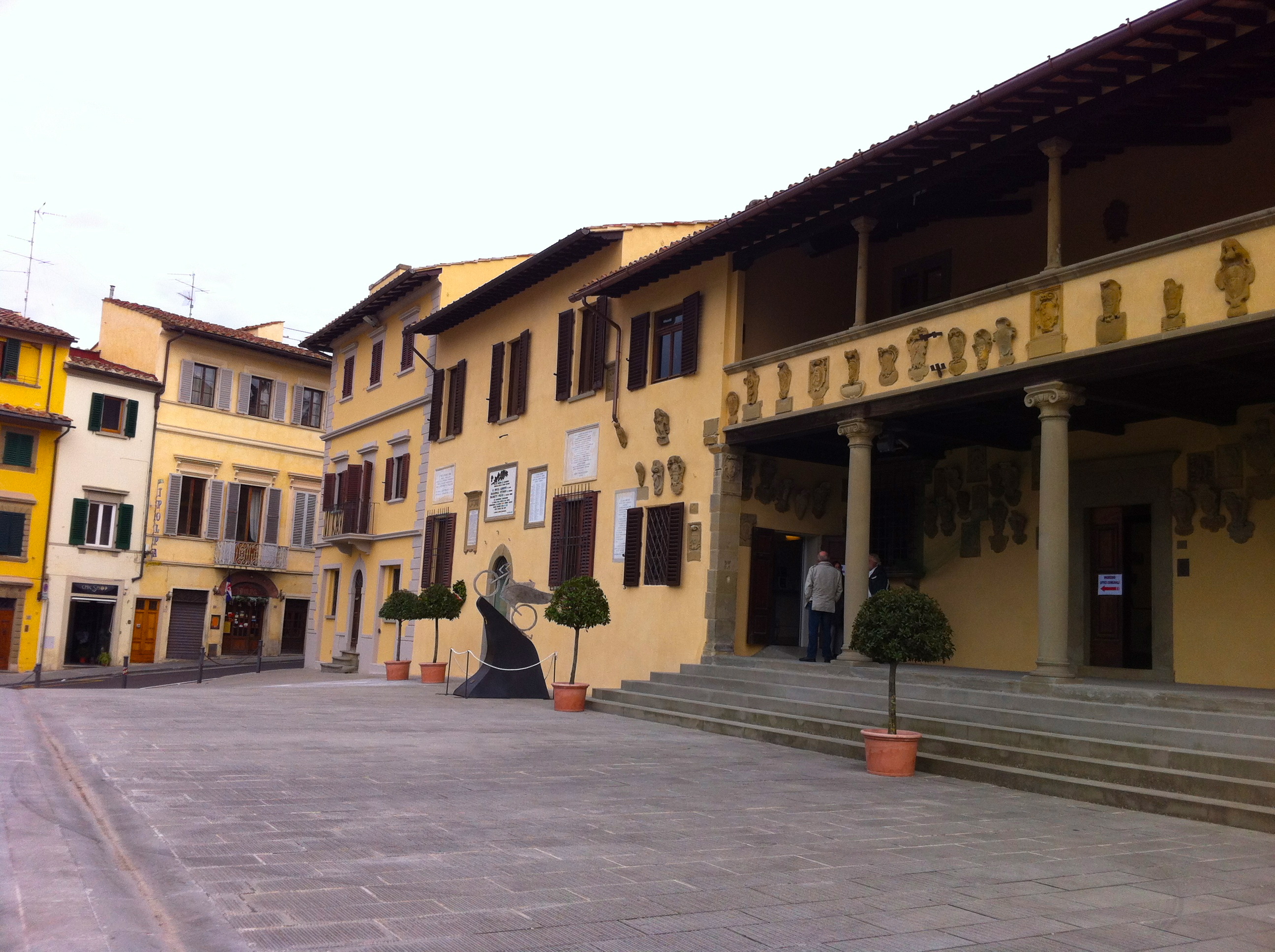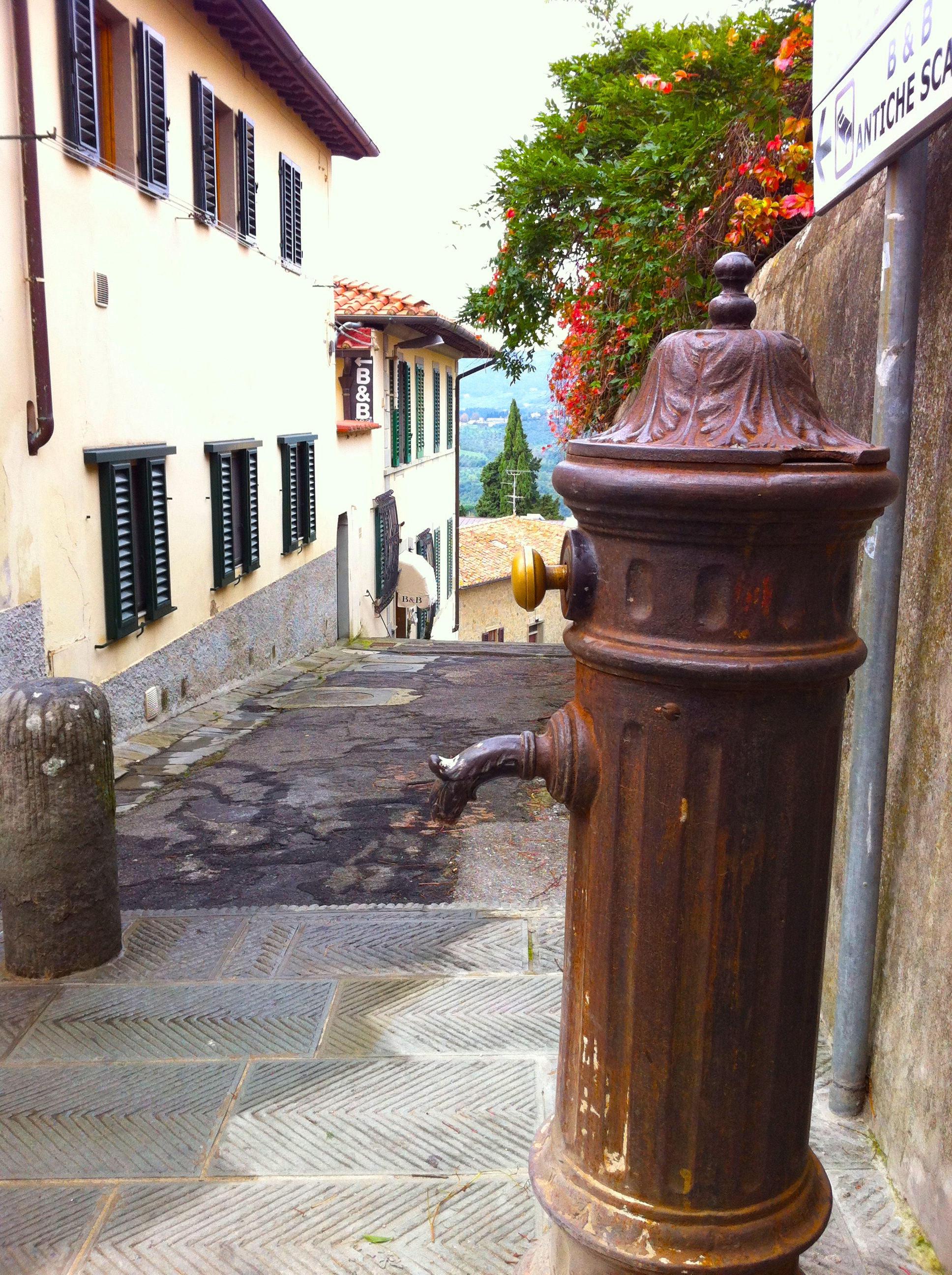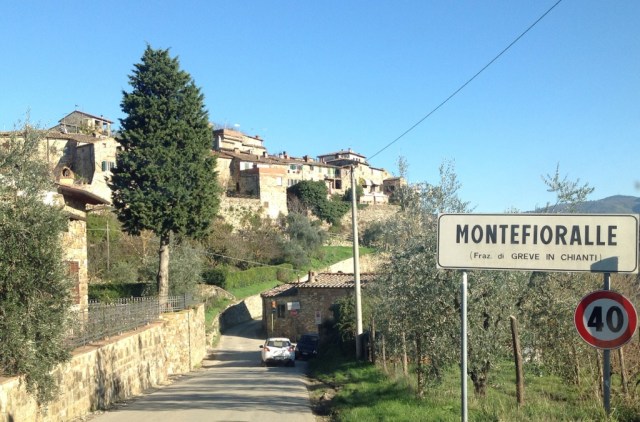
MONTEFIORALLE … The most beautiful village of Tuscany

“>20131129-222647.jpg

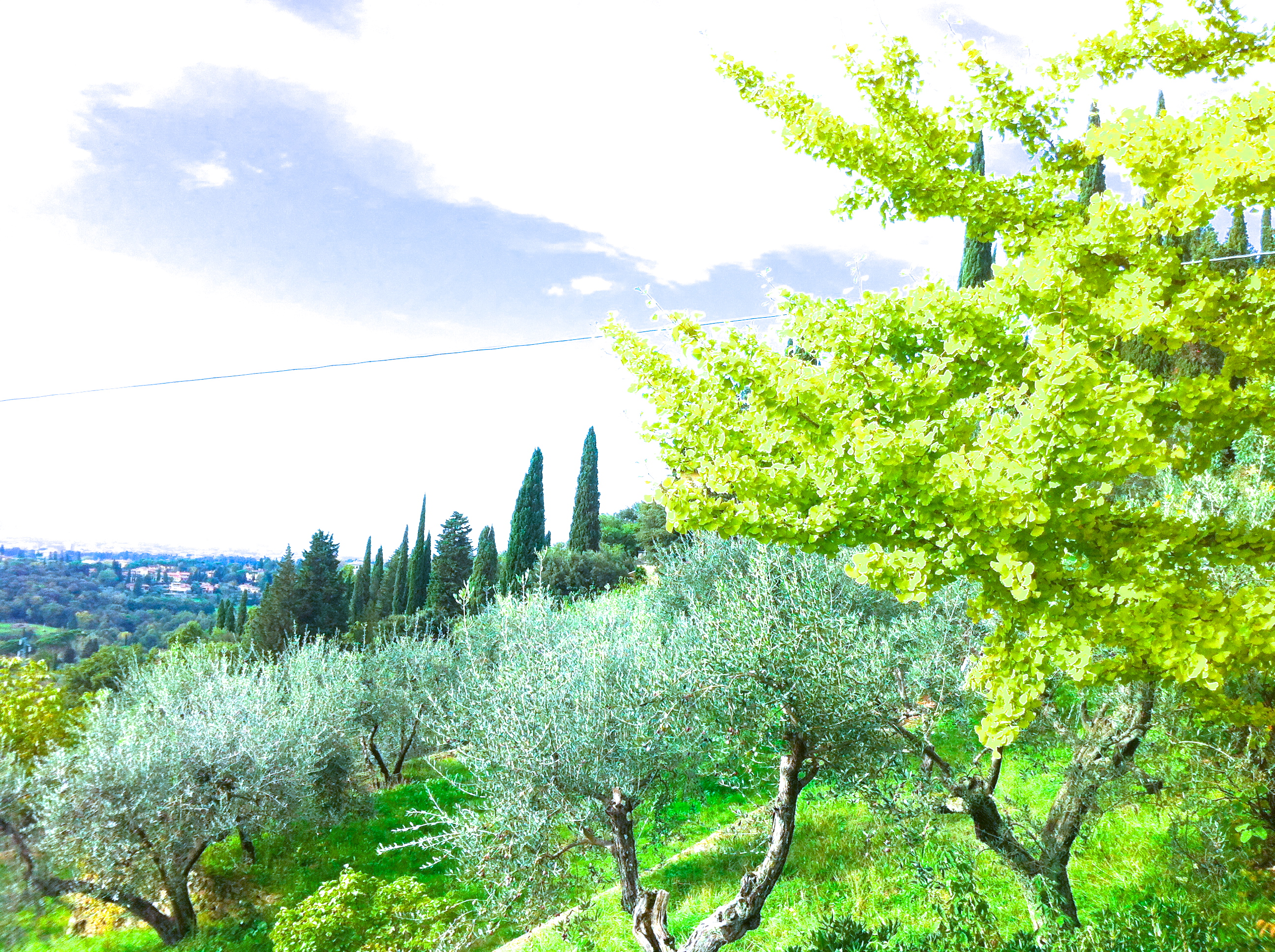
Montefioralle … It is like a scenery of a movie in the Hills of Chianti
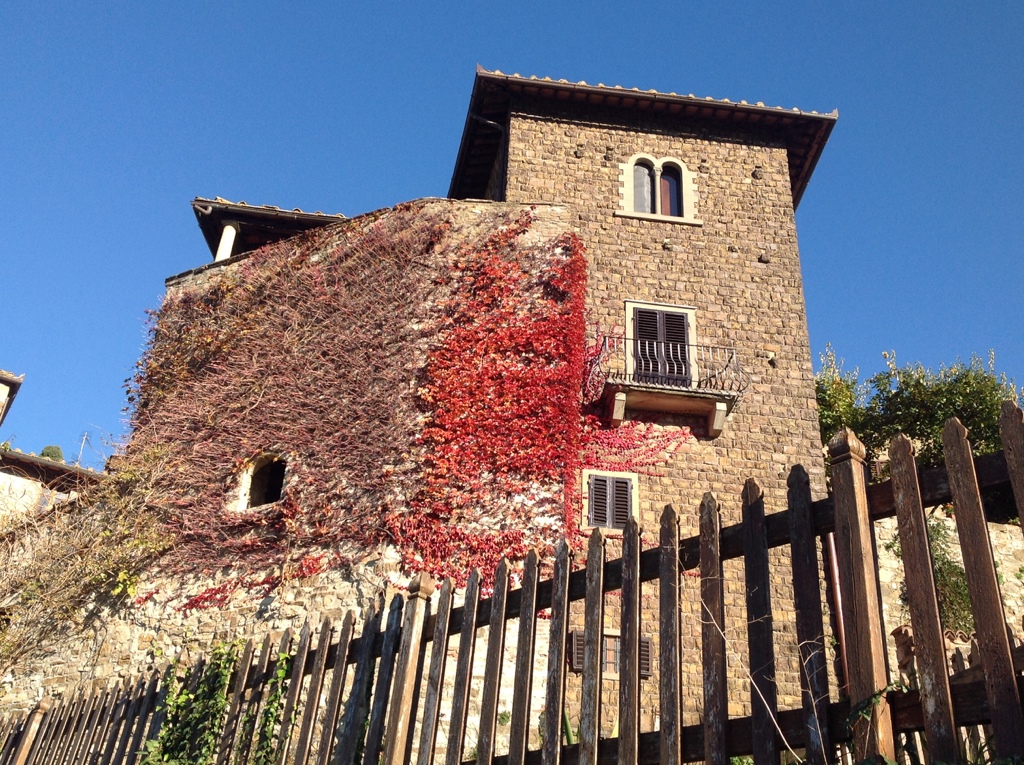
20131129-223000.jpg
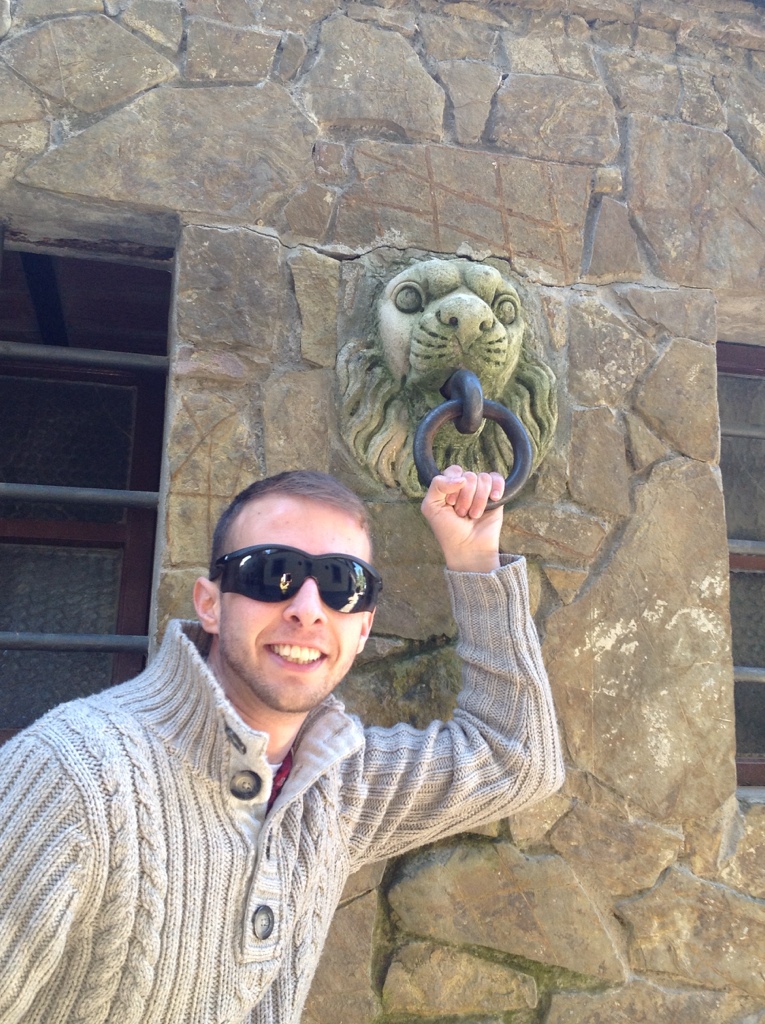
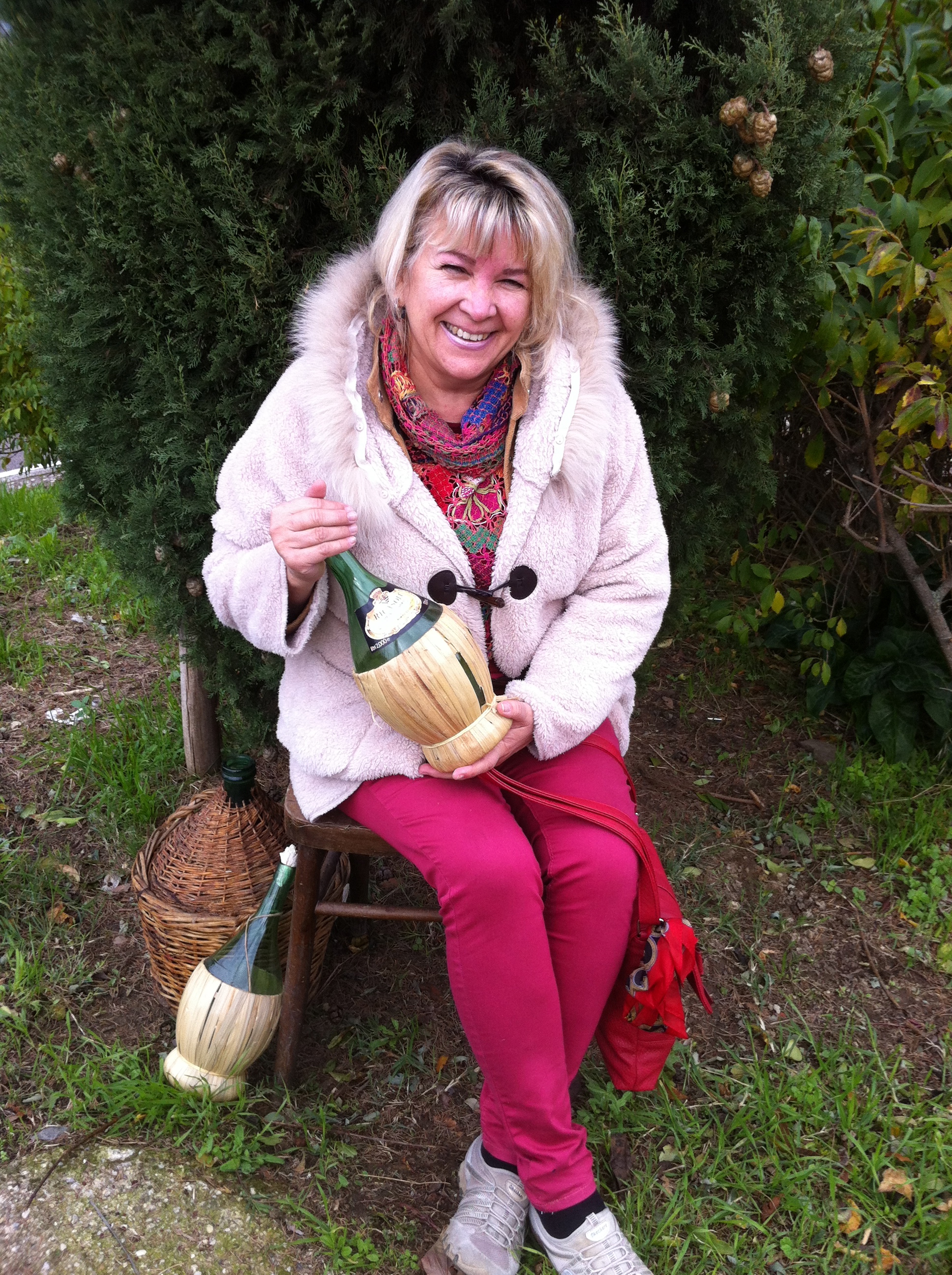
My son Andrew found this Village by chance and curiosity! He described it of a paradise in the hills just like a movie scene.
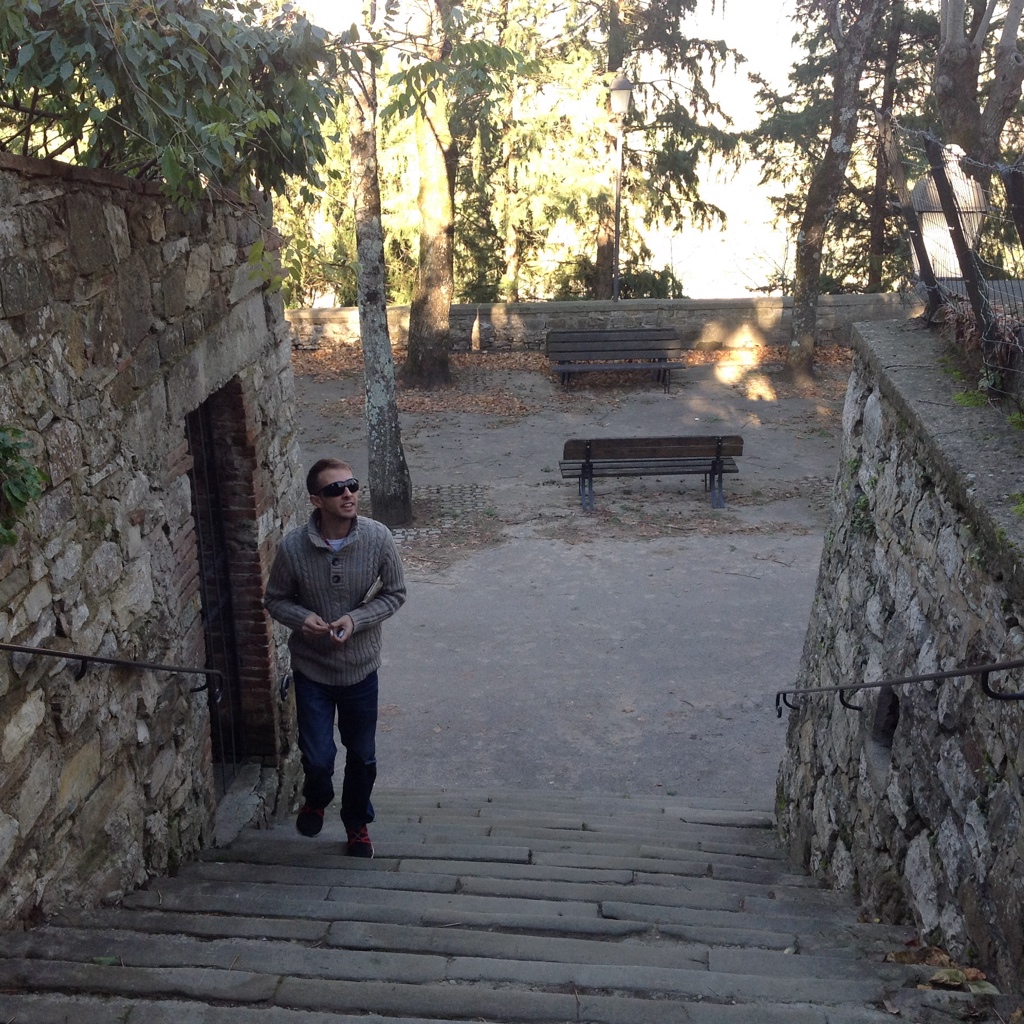
He met an lovely old Italian man that was so happy that he liked his village that he walked us around and showed us his house where he lived all his life! He talked to us in Italian pointed where we should walk and waved ” Ciao”!

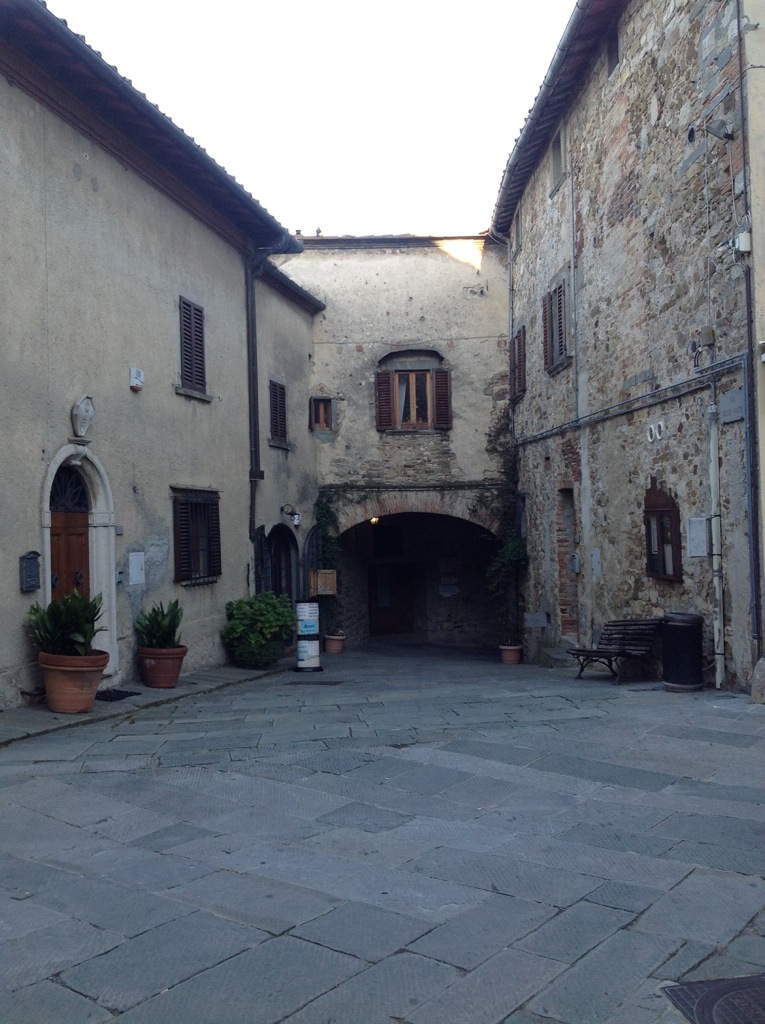
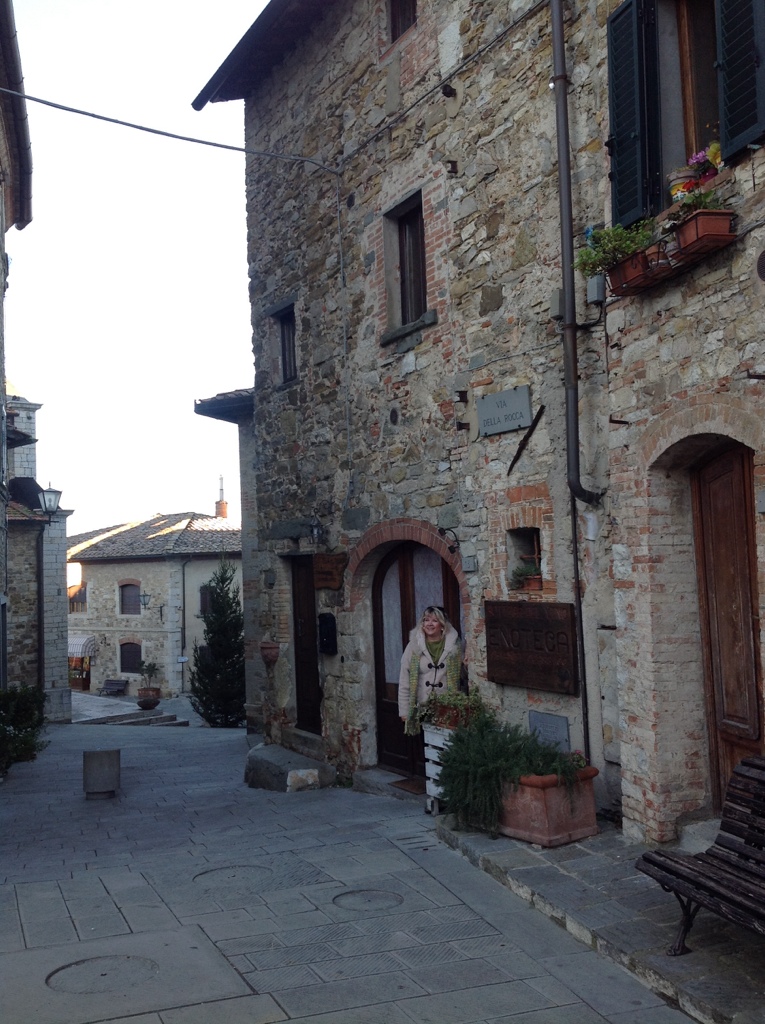
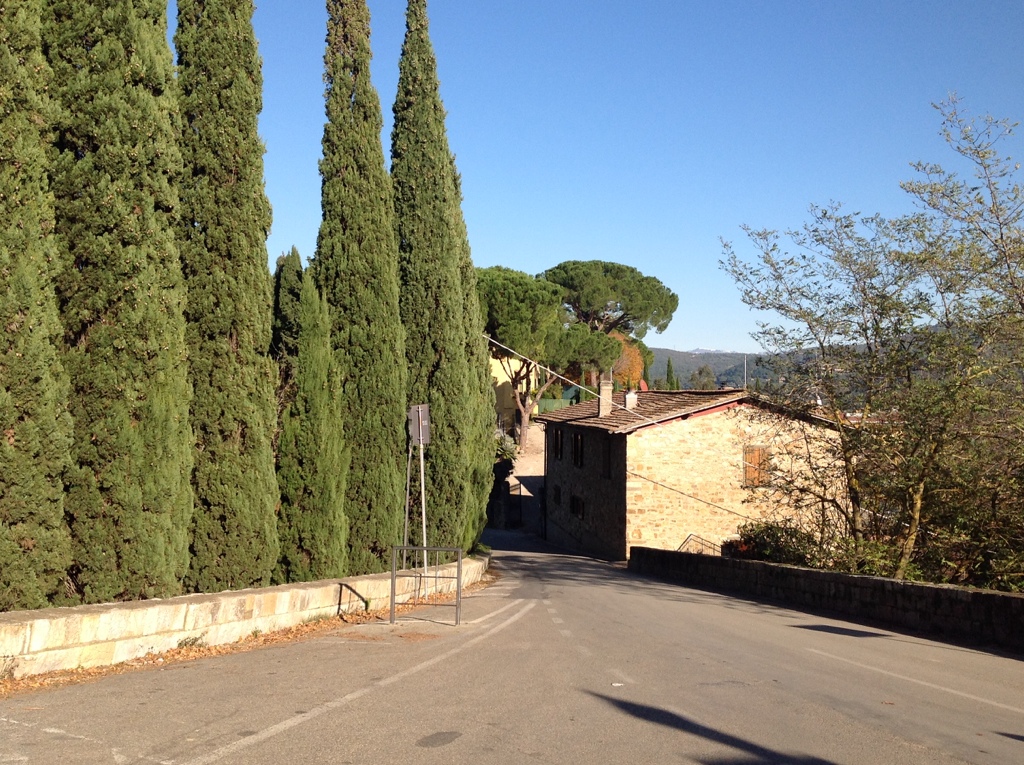
The views took our breath away as we kept walking through this ally ways of this medieval village where time stopped and insist to keep its pace … a place of dreams immersed in its gorgeous scenery with curves, stairs and ally ways that make you feel you are in a fairy tale in this magical world on its own so divine and eternal! This is a true hidden treasure of Italy!

Simona Bellocci, described so well …and how you will find Montefioralle!
Nestled in the heart of the Chianti, between rolling hills and views to dream about, is one of the most beautiful villages in Italy: this is Montefioralle, a small town just above Greve in Chianti in Florence. In the midst of stone houses which overlook the characteristic streets that climb through the village, you will discover a rare jewel and remain fascinated. Before arriving in the center of Greve in Chianti, take the first road on the right that takes you up a hill that dominates the vast landscape. You will not regret having embarked on this climb that will take you straight into a magical place where silence reigns and the only sounds that are heard are those of nature. An old soul envelops Montefioralle, whose original name, “Monteficalle,” likely refers to the fig trees that grow in the fields around the castle. And right around the Cassero the medieval village developed, built on an elliptical that is the natural conclusion of the circle of existing walls that culminates with the remains of some towers, now used as private homes.
simona Bellocci also adds

VIEWS AND ITINERARIES – We suggest arriving in Montefioralle via the road that goes from Greve in Chianti, but to fully appreciate the surrounding countryside, we invite you to take on the way back, the road that leads to Mercatale Val di Pesa, so you can venture out on white roads that lead you to discover corners of unquestionable beauty. Vineyards, olive groves, endless expanses of green on which seem to gently rest the scattered farms in the area, each with its own form, features, and secret beauty. The yellow ocher walls brightened by the sun, the stone facades, roofs dipped in red stripes which stand out on farms in the distance, the lush hills.

THE KINGDOM OF CHIANTI CLASSICO – Here you can enjoy the excellent fruit of the vine, the Chianti Classico, and taste the flavors of traditional dishes of the restaurants in the area. In Montefioralle you can sample the variety of cured pork salames and enjoy the famous Florentine steak, served with classic white beans or a fresh salad with local greens. And don’t forget dessert: the sweet cantuccini are a Florentine tradition accompanied by (strictly local!) Vinsanto.

PEASANT FLAVOURS – Finally, for those lucky enough to visit Montefioralle in March, do not miss a stop at the Festa di Fritelle. For the feast day of St. Joseph, in the square opposite the access to the historical center of the village, you can sample these excellent fritters made by local housewives. Made from simple ingredients – rice boiled in milk, eggs and sugar – they are fried at the festival in a giant pan of two meters in diameter, and are eater accompanied by Vinsanto or a glass of Chianti Classico. Montefioralle is one of the most beautiful towns in Italy, and has become a popular destination not only for the beauty of the town but also for it traditions, people and history which make it unique in the world.
20131129-230227.jpg

20131129-230645.jpg

20131129-230737.jpg

20131129-230842.jpg

20131129-230932.jpg

20131129-231015.jpg

20131129-231225.jpg

20131129-231300.jpg

20131129-231455.jpg

Posted in Uncategorized | 2 Comments

Capellina di Chianti … for the Chianti lovers!

20131129-211459.jpg


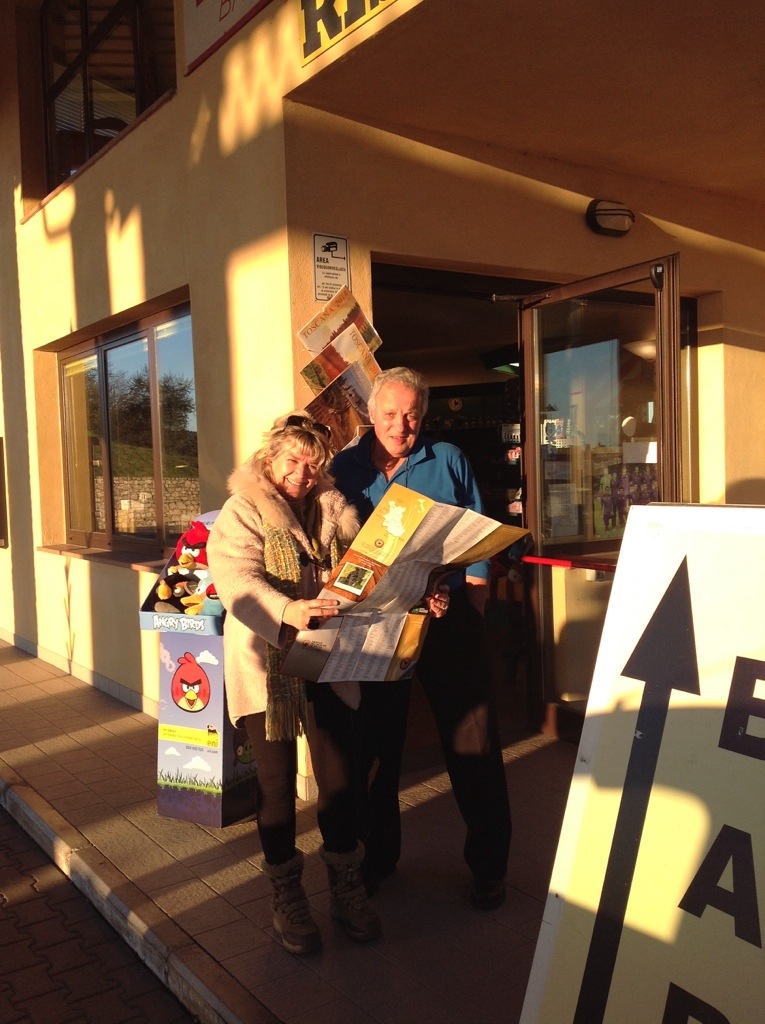
Yes, this beautiful town is in the Chianti Wine tour! we found by chance looking for a petrol station. In the petrol station we met a nice Italian local man that gave us the map of the whole Chianti Region. 20131129-211521.jpg
Evidence of the town’s importance during this period is its imposing fortress, built in severe style. The entire town was surrounded by massive walls and towers, with only two gates providing access, one towards Sienna, the other Florence. Unfortunately both gates were completely destroyed, the Florence gate during the Second World War.
20131129-211544.jpg20131129-211459.jpg Most of the walls still stand today, although houses have been built right up against them in numerous places. These defences witnessed centuries of battles, sieges and clashes. The battles had alternating outcomes. Alberico da Barbiano, in the service of the Duke of Milan, took Castellina by storm in 1397. The troops of Ferdinando d’Aragon failed in their attempt to do the same in 1452 and withdrew after a 44-day siege. The town was stormed in 1478 after a lengthy siege by the Duke of Calabria, despite Lorenzo the Magnificent, who then ruled Florence, having despatched the famous architect Giuliano da Sangallo to Castellina to strengthen the town’s defences.
20131129-211639.jpg

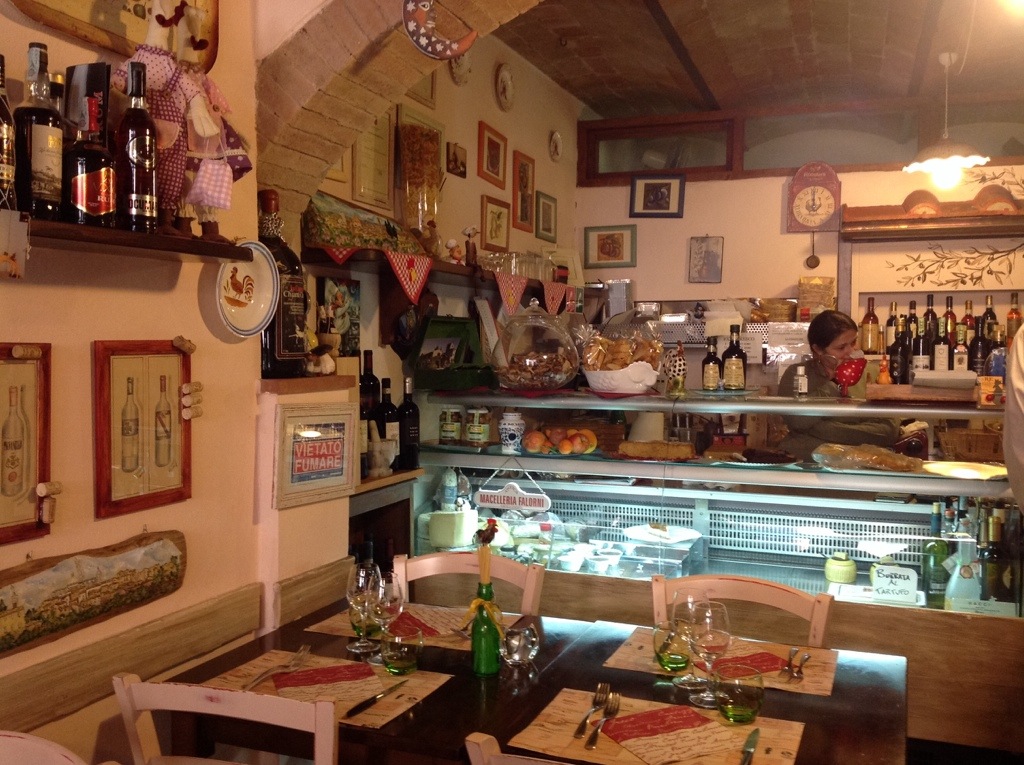
We were very hungry and found a cantina that the despite the kitchen was closed they were quick to offer Pasta a Ragu with Wild Board Meat and Galo Nero wine with some lovely bread. That went really well as we also met some other tourists that were loving the town and its people, never mind the Chianti Wine so famous far and afield
src=”https://goodatrek.com/wp-content/uploads/2013/11/20131129-211612.jpg” alt=”20131129-211612.jpg” class=”alignnone size-full” />
20131129-211706.jpg
After the Pasta we went to walk in the Medieval Streets and met a old couple in the middle of the medieval village engaging in a very happy chat that made we wonder what wine they drunk as the old lady said ” Ciao Bambino” ( Bye Boy) and they had a good laugh …we did too! Oh well, this is exactly what I imagine here in the Hills of Tuscany the heart of the Chianti Wine! For this old lady he is a little boy deep down! Italians have this way of unleashing the inner child inside them and the wine sometimes BASTA! che gente Brava! Arriverdeci andiamo & atraversiamo!

20131129-215443.jpg


<img

Posted in Uncategorized | Leave a comment

Love is in the air ..,love story in Firenze, Italy

20131127-153334.jpg<a
This is the story of Bianca Capello and Francesco I de' Medici, Grand Duke of Tuscany

20131127-154422.jpg</a
BIANCA was born in Venice, in 1548, the daughter of Bartolomeo Cappello and Pellegrina Morosini, a member of one of the richest and noblest Venetian families, and was noted for her great beauty.

At the age of fifteen she fell in love with Pietro Bonaventuri, a young Florentine clerk in the firm of Salviati, and on 28 November 1563 escaped with him to Florence, where they were married. In 1564 she had a daughter named Virginia, or, according to other sources, Pellegrina. The Venetian government made every effort to have Bianca arrested and brought back but the Grand Duke Cosimo I intervened in her favour and she was left unmolested.
However, she did not get on well with her husband's family, who were very poor and made her do menial work, until at last her beauty attracted Grand Prince Francesco, son and heir apparent of the grand duke.
Women Beware Women tells the story of Bianca, a woman who escapes from her rich home to elope with the poor Pietro. Fearful and insecure, Pietro requires that his mother lock Bianca up while he is away. While locked up, the Duke of Florence spots Bianca in a window and attempts to woo her with the help of Livia, a widow. When Pietro returns he discovers that Biancha has been corrupted and no longer loves him because he lacks wealth and fortune. Busy putting together illegitimate relationships, Livia discovers that she is also able to love again and as a result, she seeks the love of bianca's husband.
However, Francesco, already married to Joanna of Austria, was attracted and seduced Bianca giving her jewels, money and other presents. Bianca's husband was given court employment, and consoled himself with other ladies. In 1572 he was murdered in the streets of Florence in consequence of some amorous intrigue, though it is possible that Bianca and Francesco were involved.

On the death of Cosimo in 1574 Francesco succeeded to the grand duchy; he now installed Bianca in a palace (now known as Palazzo di Bianca Cappello) close to his own and outraged his wife by flaunting his mistress before her. As Giovanna had borne Francesco only one son, Filippo (20 May 1577 – 29 March 1582) who died as a juvenile, and six daughters, of whom, only two lived to adulthood, Bianca was very anxious to present him with an heir, for otherwise her position would remain very insecure. In 1576 she gave birth to Don Antonio de' Medici (d. 1621), but he was not openly acknowledged as Francesco's heir until after Joanna's death, when the boy was about three years old.
Palazzo di Bianca de Bianca Capello
20131127-155342.jpg

In 1578 Giovanna died; a few months later Francesco secretly married Bianca, and on 10 June 1579, the marriage was publicly announced. Two days later, on the 12 June, Bianca was crowned the Grand Duchess of Tuscany at the Palazzo Vecchio in Florence. The Venetian government now put aside its resentment and was officially represented at the magnificent wedding festivities, for it saw in Bianca Cappello an instrument for cementing good relations with Tuscany. But the long expected heir failed to come, and Bianca realized that if her husband were to die before her she was lost, for his family, especially his brother Cardinal Ferdinand, hated her bitterly, as an adventuress and interloper.
Drama and tragedy in the lives of the Celebrities of Florence!
In October 1587, at the Villa Medici in Poggio a Caiano, Francesco and Bianca died on the same day, possibly poisoned, or as some historians believe, from malarial fever. In 2006, forensic and toxicology experts at the University of Florence reported evidence of arsenic poisoning in a study published in the British Medical Journal,[6] but in 2010 evidence of the parasite Plasmodium falciparum, which causes malaria, was found in Francesco's remains.
The more we read the one of the best books from Thomas Middleton (1580 – July 1627) we realize he was an English Jacobean playwright and poet. Middleton stands with John Fletcher and Ben Jonson as among the most successful and prolific of playwrights who wrote their best plays during the Jacobean period. He was one of the few Renaissance dramatists to achieve equal success in comedy and tragedy. Also a prolific writer of masques and pageants, he remains one of the most noteworthy and distinctive of Jacobean dramatists.
Now here in Firenze visiting the Palazzo de Bianca Capello I can feel the love in the air of the streets of Firenze!

Posted in Uncategorized | 4 Comments

Filippo Lippi & Lucreazia … A love story

20131121-225545.jpg

20131121-230303.jpg

I love Wikipedia where I found the history of Filippo Lippi and Lucreazia! “He was born in Florence to Tommaso, a butcher, and his wife. If his birth name was different, it is no longer recorded. Both his parents died when he was still a child. Mona Lapaccia, his aunt, then took charge of the boy. In 1420 he was admitted to the community of Carmelite friars of the Priory of Our Lady of Mount Carmel in Florence, taking religious vows in the Order the following year, at the age of sixteen. He would have been ordained a priest sometime around 1425, and was to remain in residence in that priory until 1432.[1] In his Lives of the Artists, Vasari says: “Instead of studying, he spent all his time scrawling pictures on his own books and those of others.” The prior decided to give him the opportunity to learn painting.

In 1458, while engaged in this work, he set about painting a picture for the monastery chapel of S. Margherita in that city, where he met Lucrezia Buti, the beautiful daughter of a Florentine named Francesco Buti; she was either a novice of the Order or a young lady placed under the nuns’ guardianship. Lippi asked that she might be permitted to sit for the figure of the Madonna (or perhaps S. Margherita). The completion of the work took fourteen years, with lates, pauses and scandals, such as that involving the painter (also a professed Carmelite friar and ordained priest and a nun from the monastery of Santa Margherita, where Lippi had been chaplain from 1456 to the issue of a tamburazione (secret accusation) in May 1461.

Lucrezia Buti and Filippo fallen in love after she was acting as his model for some paintings. He abducted her to his own house, and kept her there despite the nuns’ efforts to reclaim her. The result was their son Filippino Lippi and daughter Alessandra. Filippino became a painter no less famous than his father. His paintings are just amazing! Filippo was a favorite painter of the Medici’s and his name and their love story came to the Pope knowledge who gave them the permission to get married but before the document arrived, Filippo was found dead poisoned by another woman. Some say he had many lovers but Lucreazia owned his heart!

The frescoes in the choir of the cathedral of Prato, which depict the stories of St. John the Baptist and St. Stephen on the two main facing walls, are considered Fra Filippo's most important and monumental works, particularly the figure of Salome dancing, which has clear affinities with later works by Sandro Botticelli, his pupil, and Filippino Lippi, his son, as well as the scene showing the ceremonial mourning over Stephen's corpse.
<b

20131121-234033.jpg
The quality of his work is remarkable…his son Filippino carried it through with some of his apprentices of his time.

20131121-231036.jpg

Posted in Uncategorized | Leave a comment

PRATO, Tuscany

20131121-200506.jpg

Today it rained all day but Mrs G and her son Andrew where curious about the city of Prato so they went there for the day. It is about 20 minutes from Florence.
As soon they arrived in this Medieval City they saw the Castello Dell’ Imperatore ( above) . They got the umbrella out and off went looking for the tourist information centre that when they found it … It was closed. They found the Cathedral and decided to visit while waiting for the rain pass… The rain did not stop!
Here are the pictures

20131121-200617.jpg

20131121-201011.jpg
20131121-201201.jpg

20131121-210630.jpg

20131121-210730.jpg

<img These paintings the Madonna and the Child by Fillipo Lippi, he painted his beloved Lucrezia and his son Filippino.

20131121-210802.jpg
“Of Roman origin, Prato was razed to the ground during the Greek Gothic war (6th century) and was reconstructed under Lungobard dominion. It proclaimed itself a free commune in the 12th century, prospering above all thanks to its flowering textile activity, which didn’t end despite local conflicts and attacks from the nearby cities. The frequent wars of the 14th century led to the construction of the walls, which are still preserved today. Changing events led to Prato’s submission to the power of the Angioni. Subsequently the city passed under the tutelage of Florence (14th century), nonetheless maintaining a certain autonomy. In 1653 it held the title of city and of diocese. The history of the city of Prato is full of diversity”.

Posted in Uncategorized | 1 Comment

Andrew Gooda arrives in The Renascence City!

20131119-131714.jpg

And Andrew Gooda arrived in Firenze in a sunny day from Pisa airport!
Mrs G was so felice to see her son that she drove to chaotic Storic Centre and soon enough she got the Italian way in the traffic! She found one of those famous car parks in Firenze that the pile up all cars together and keep the car keys ( we have to trust).

As soon she met Andrew they went to the Piazza Santa Novena for the International Market! All the food stalls had amazing food and like all tourists they chilled out in a bench, talking portinglese ( Portuguese and English) when a lady started to talk to them… She was Brazilian just arrived from Rome and introduced her mother and nephew Raphael that lived in Germany! They said they just loved Rome and that we would love too! Andrew and Raphael engaged in a conversation about Brasil and that was his first hour in Firenze!

20131119-134951.jpg

20131119-135252.jpg

Andrew was enjoying all the smells and the air of this Art and Culture city!
Tourists or local residents? Who knows but everyone is out and about … People watching or just taking their time….
A cocktail in La Dolce Vita is a must ! People told us , but everywhere in this Historic Centre is a must … Life is good!

20131119-140244.jpg

Posted in Uncategorized | 1 Comment

lost In FIESOLE, TUSCANY

IMG_5251Mrs G was feeling lonely and hopeless after Mr G left to Angola. She was sitting in Vila Camerata looking at something to do when she thought… How about explore the hills next door?
She got the car and drove where her intuition guided her!IMG_5254
She was overwhelmed by the gorgeous views…
Until she discovered this beautiful town called Fiesole
IMG_5322
She found a place to park and off she went to take pictures and on the way she met many residents exchanging”BON GIORNO”!
IMG_5288 she felt really good about the whole thing and off she went to get more pictures! IMG_5319IMG_5321IMG_5320IMG_5317
She loves theTuscan houses and the display of colours even in the Autumn
IMG_5313IMG_5308IMG_5318IMG_5296IMG_5294
then off she went and found a nice Trattoria just in front of the Piazza and had lunchIMG_5269
The Itaian waiter asked her where was her husband? She said in Angola! Is he coming to join you signora? Sim, he will come in one month time! Poverina signora I will give you an ice cream gratis for desert!
Mr G brings me luck even when he is away….got an gelatto crema gratis!IMG_5291
Having a bad hair day! Ciao Fiesole will be back tomorrow!

Posted in Uncategorized | 9 Comments

Alone in Villa Camerata

You will never forget a holiday in Florence, all the more so if you meet locals.
” Villa Camerata” as a base for our city stay. The hostel indeed is a gorgeous villa of the 17th century surrounded by a huge park with high trees and enriched with a precious Italian garden with rare botanic species planted by the former owners.
Villa Camerata is a gorgeous villa of the 15th century decorated with stucco and frescoes and equipped with all modern comforts, surrounded by a huge park, away from the noise of the town but very close to the city center that can be easily reached by bus.

Villa Camerata is located at the bottom of the hill of Fiesole (beautiful village famous for the roman theatre and the archaeological museum), close to a public swimming pool, the soccer stadium and the Nelson Mandela forum that hosts important concerts, theater performances and much more!

My first Italian friend is called Sabrina. She has invited me to her house so we can both exchange english/italian.

.jpg”>20131113-115016.jpg

20131113-115043.jpg

20131113-115113.jpg

20131113-115129.jpg

20131113-115152.jpg

20131113-115214.jpg

20131113-115320.jpg

20131113-115347.jpg

Posted in Uncategorized | Leave a comment

FIRENZE here we are!

20131109-173507.jpg
Villa Cameratti was the only camping open in Firenze! It is a beautiful place and feels really home already!
Mr G found his way driving through the busy roads of Firenze City Center but now he is all chilled of with a glass of his favorite Scotch well deserved!
As soon as we arrived we made some new English and Australians friends than we have met Gabriel the italian guy who welcomed and checked us in !
Then all the preparation to get ourselves settled started and now finally we have the SMART out of the trailler and are getting ready to explore Firenze Night and enjoy The evening and yes! We are ready for it … The night is young!

20131109-185321.jpg

Posted in Uncategorized | 1 Comment

Mr G found the smallest and ” the most fascinating VILLAGE on earth”

BAGNO VIGNONI
20131109-104655.jpg

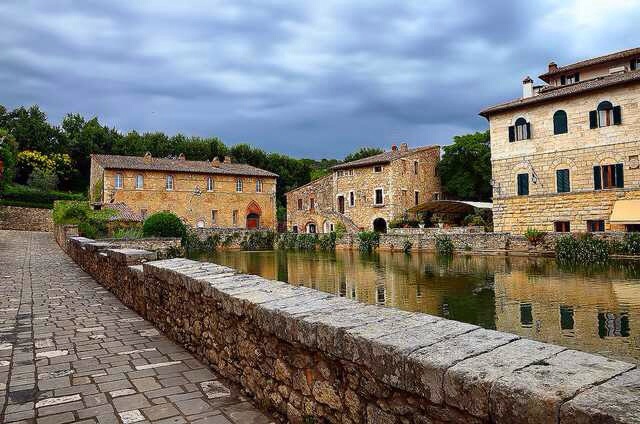
In the most intimate and true heart of Tuscany, along the antique pilgrim way “Via Francigena” connecting Canterbury (U.K) with Rome, you will find what is probably the smallest and most fascinating village on this earth: Bagno Vignoni. Mr G found this hidden gem randomly!

The tiny village center is a large rectangular basin in which hot thermal spring waters flow from its underground volcanic origins. The healing properties of the thermal waters in Bagno Vignoni were discovered first by the etruscans and then by the Romans – great lovers and connoisseurs of thermal baths. Illustrious visitors such as Pope Pius Piccolomini , Saint Catherine of Siena, Lorenzo de Medici, not to mention poets and writers through the ages that have all searched use of the therapeutic waters in the village.

This place is where we slept last night! Spending part of our morning today!
This is where we slept last night. We found this place just because Mr G had to stop for the night after driving non stop from the North 20131106-143247.jpgcrossing the mountains of the North Coast of Italy!
I was really impressed by his excellence in driving a huge motorhome with a trailer tolled behind… Not a easy task!
He drove 3 hrs straight underground ( we have never seen so many tunnels in a motorway!) and if this was a not enough challenge, his back cameras quitted on him! Both of them in the same time!
He did what he always do KEEP CALM and CARRY ON until we arrived here in Vignone a little village with tasty wine!
I will buy him a bottle to pay for all his efforts and everything else he does while I sitting here like a queen in my passenger chair!
La Dolce Vitta!
La Dolce Vitta!

20131109-104749.jpg

20131109-104934.jpg

20131109-105011.jpg

20131109-105043.jpg

Posted in Uncategorized | 6 Comments